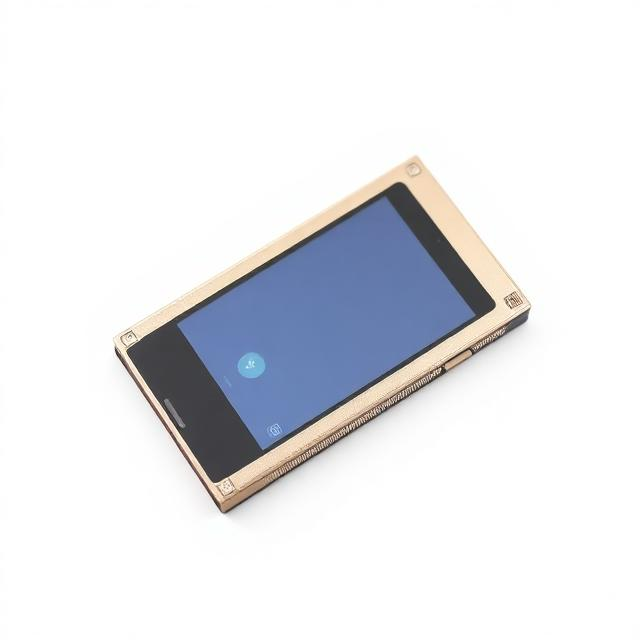
Hardware wallets are considered the gold standard for cryptocurrency security. But what makes them so secure, and how do they actually work? In this guide, we will break down the technology behind these devices and explain why they are an essential tool for anyone serious about protecting their digital assets.
The Basics: What Is a Hardware Wallet?
A hardware wallet is a physical device designed specifically to store cryptocurrency private keys offline. Unlike software wallets that run on your computer or phone (which are connected to the internet), hardware wallets keep your keys in an isolated environment that cannot be accessed remotely.
Think of it like the difference between keeping your valuables in a drawer at home versus storing them in a bank vault. Your home might be convenient, but it is also connected to the outside world through doors and windows. A bank vault, on the other hand, is specifically designed to be impenetrable.
Public Keys vs. Private Keys
To understand hardware wallets, you need to understand the basics of cryptocurrency keys:
- Public Key: Like your bank account number. You can share it freely so others can send you cryptocurrency.
- Private Key: Like the PIN to your bank account. Anyone with access to this can spend your cryptocurrency.
A hardware wallet's primary job is to protect your private key. It stores this key and uses it to sign transactions, but crucially, the private key never leaves the device.
How Transaction Signing Works
When you want to send cryptocurrency using a hardware wallet, here is what happens:
- You initiate a transaction on your computer or phone
- The unsigned transaction is sent to your hardware wallet
- The wallet displays the transaction details on its screen
- You verify the details and physically press a button to approve
- The wallet uses your private key to sign the transaction internally
- Only the signed transaction is sent back to your computer
- The signed transaction is broadcast to the network
The key point: your private key never leaves the hardware wallet. Even if your computer is infected with malware, the attacker cannot steal your key because it never passes through the computer.
The Secure Element
Quality hardware wallets contain a special chip called a secure element. This is the same type of technology used in credit cards, passports, and SIM cards. Secure elements are designed to:
- Resist physical tampering and extraction attempts
- Protect against side-channel attacks
- Store cryptographic keys in a way that cannot be read out
- Perform cryptographic operations securely
Secure elements undergo rigorous certification processes. Look for devices with CC EAL5+ or higher certification for the strongest protection.
Types of Hardware Wallets
USB-Connected Wallets
These devices connect to your computer via USB to communicate. They are convenient and widely supported, but require a physical connection to a potentially compromised computer.
Bluetooth Wallets
These allow wireless connection to your phone or computer. While convenient for mobile use, they introduce an additional communication channel that must be secured.
Air-Gapped Wallets
The most secure option. These devices have no wired or wireless connections whatsoever. Communication happens through QR codes or SD cards. Since there is no electronic connection, remote attacks are impossible.
What Hardware Wallets Protect Against
- Malware: Even if your computer is compromised, your keys remain safe
- Phishing: You verify addresses on the device screen, not a potentially fake website
- Remote hacking: No network connection means no remote access
- Physical theft: PIN protection and secure elements protect against casual theft
What Hardware Wallets Cannot Protect Against
- Lost seed phrases: If you lose your backup, you lose your funds
- Compromised seed phrases: If someone has your seed, they have your crypto
- User error: If you verify and approve a malicious transaction, it will execute
- Supply chain attacks: Buy only from authorized retailers
Conclusion
Hardware wallets provide a crucial security layer by keeping your private keys offline and isolated from internet-connected devices. While no security solution is perfect, they represent the best available protection for most cryptocurrency users.
The key to using a hardware wallet effectively is understanding both its strengths and limitations. Combined with good security practices - particularly around seed phrase storage - a hardware wallet dramatically reduces your risk of loss.
Ready to Secure Your Crypto?
Browse our selection of hardware wallets to find the right one for your needs.
Shop Hardware Wallets